
Flexibility and Recovery for Women: What Works
The best flexibility exercises for women are not the hardest ones. They are the ones you do consistently. Ten to fifteen minutes of daily stretching produces measurably better long-term mobility gains than a single weekly hour on the mat, and new evidence from the Journal of Human Kinetics confirms that frequency, not duration, is the primary driver of flexibility adaptation.
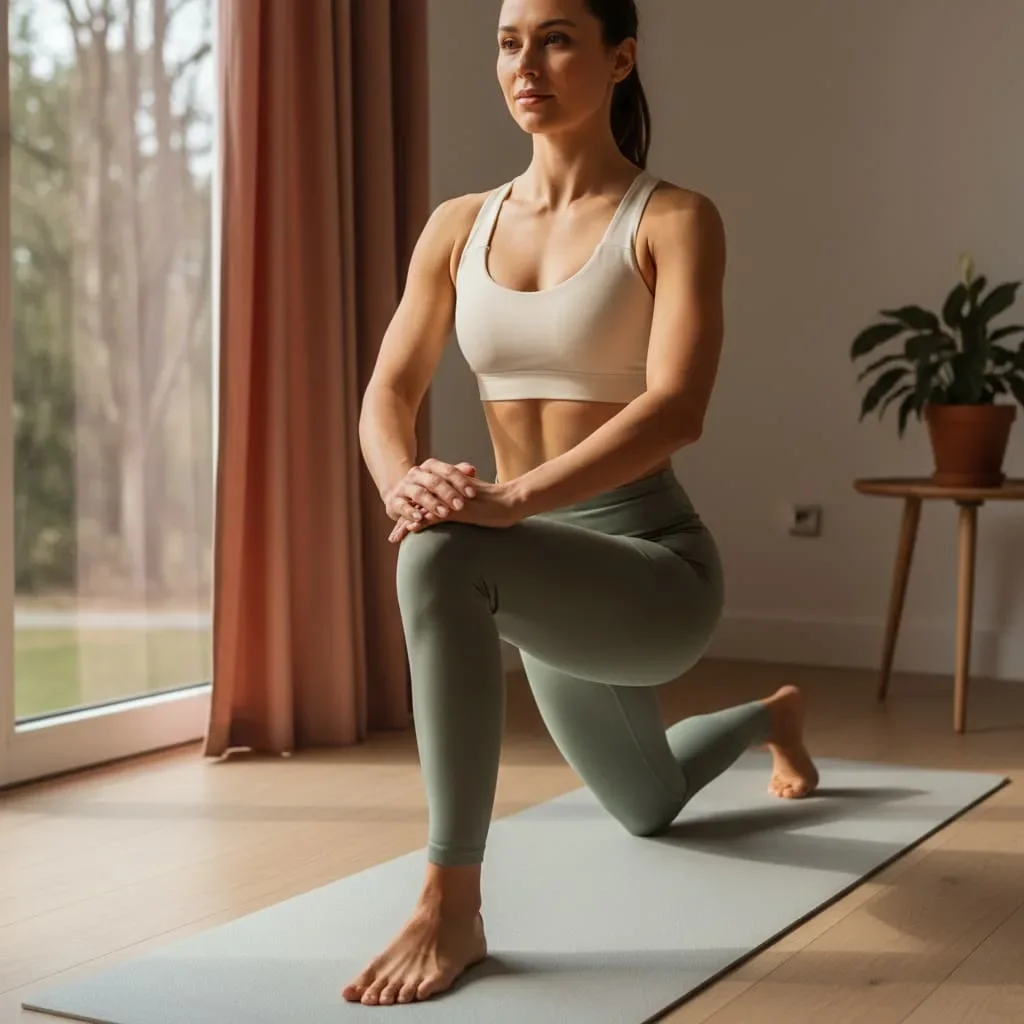
Why Flexibility Is a Recovery Tool, Not a Bonus
Flexibility training is not about aesthetics or touching your toes. It is a critical recovery mechanism that supports circulation, reduces residual muscle tension, and helps regulate cortisol, the stress hormone that spikes after intense training sessions. When you skip mobility work, tight fascia compresses blood vessels and slows the delivery of oxygen and nutrients to repairing muscle fibres.
Your hormonal cycle also shapes how your body recovers. During the follicular phase, rising oestrogen increases joint laxity, making it a smart window for deeper stretching and broader range-of-motion work. During the luteal phase, progesterone dominance raises your core temperature and can increase perceived muscle soreness. Adapting your flexibility sessions to these phases is not overcomplicating things; it is working with your...
Subscribe to keep reading
Sign up for the free Euthymia newsletter and get full access to all articles. No card required.