
Flexibility and Recovery Strategies for Women
Women who skip flexibility work are leaving injury prevention, hormonal balance, and strength gains on the table. A 2021 review published in the Journal of Strength and Conditioning Research confirmed that structured flexibility training reduces overuse injury rates by up to 32% in female athletes. That number alone is reason enough to treat recovery as training, not an afterthought.
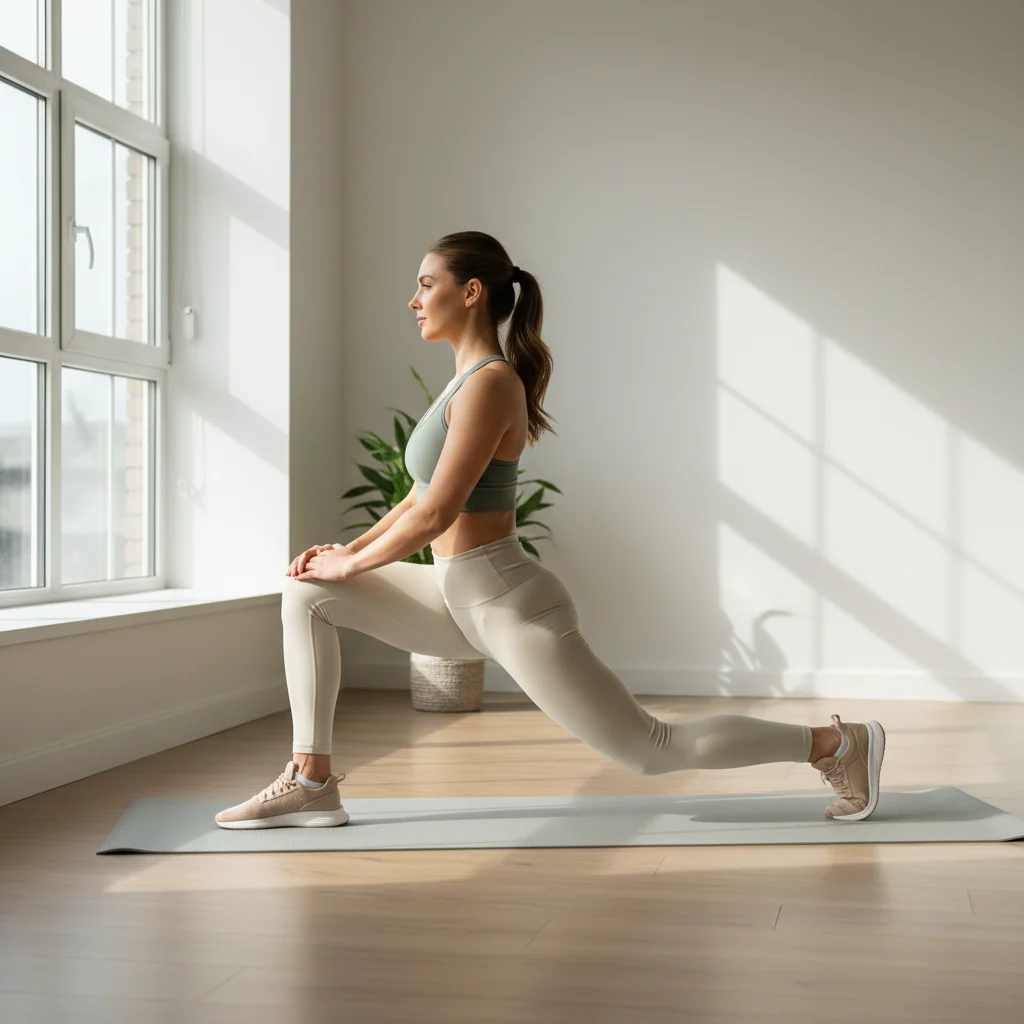
Why Flexibility Matters for Women's Fitness
Your body is not the same as a male training partner's body, and your recovery strategy should reflect that. Estrogen increases connective tissue laxity, which gives women a natural flexibility advantage but also raises the risk of ligament strain when tissues are under-recovered. Paradoxically, tight hips, locked shoulders, and a stiff lower back are among the most common complaints women bring to physiotherapists, driven by postural habits, chronic stress, and the tension that accumulates when recovery is treated as optional.
Your menstrual cycle compounds this. Tissue elasticity peaks during the follicular phase, when estrogen is rising, and drops during the luteal phase as progesterone climbs. Tracking this pattern lets...
Subscribe to keep reading
Sign up for the free Euthymia newsletter and get full access to all articles. No card required.
Ana Lopes is a certified health coach and founder of Euthymia. Based in Dublin, she helps women build sustainable, lasting wellbeing through evidence-based coaching, movement, and mindset work.